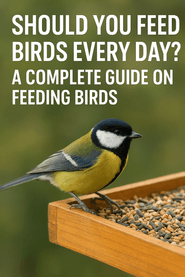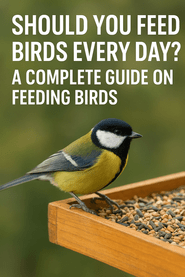
At Kennedy Wild Bird Food, we believe that understanding how to care for garden birds is as important as providing the best food for birds. A common question we hear is: Can you feed birds every day? And if so, how often do you feed birds to keep them healthy and supported throughout the year?
In this complete guide, we’ll explore everything you need to know about wild bird feeding. From the natural wild bird diet to the best foods to offer and tips on safe practices, this article will help you become a trusted provider for the birds in your garden.
Understanding the Wild Bird Diet
Before putting out feeders, it is important to understand what birds eat in the wild. A typical wild bird diet includes:
- Seeds and grains such as millet, nyjer and sunflower
- Nuts and kernels
- Insects, larvae and spiders
- Fruits, berries and nectar
- Occasionally, small invertebrates or snail eggs
Birds’ dietary needs vary by species and season. For instance, finches are mostly seed eaters, while robins and blackbirds rely on insects and soft fruit. Providing a variety of food for birds supports a healthy, balanced diet for many species.
Expert tip: For a balanced diet that attracts a variety of garden birds, try our specially blended bird seed mixes.
Can You Feed Birds Every Day?
Yes, it is safe to feed birds daily if done with care. Birds quickly adapt to a regular food source, which helps them thrive throughout the year. Consistency ensures that your garden becomes a dependable stop for energy and nutrition.
Advantages of Daily Feeding
Daily feeding offers several benefits for both birds and your garden:
- Birds learn when and where food is available, creating a reliable source of energy
- Regular replenishment keeps food fresh and reduces spoilage
- Extra nutrition supports breeding, moulting, and survival during harsh weather
- It attracts a variety of species, improving the diversity of your garden wildlife
- It helps maintain local bird populations by supplementing their natural diet
Things to Consider
While daily feeding is beneficial, some precautions are important:
- Overfilled feeders can lead to waste or attract pests
- Food left on the ground may spoil quickly and encourage rodents
- Dirty feeders can spread disease among birds
When managed thoughtfully, daily wild bird feeding provides a safe, consistent, and healthy benefit to garden birds.
Expert tip: In colder months, high-energy bird foods help birds maintain body heat and survive when natural sources are scarce.
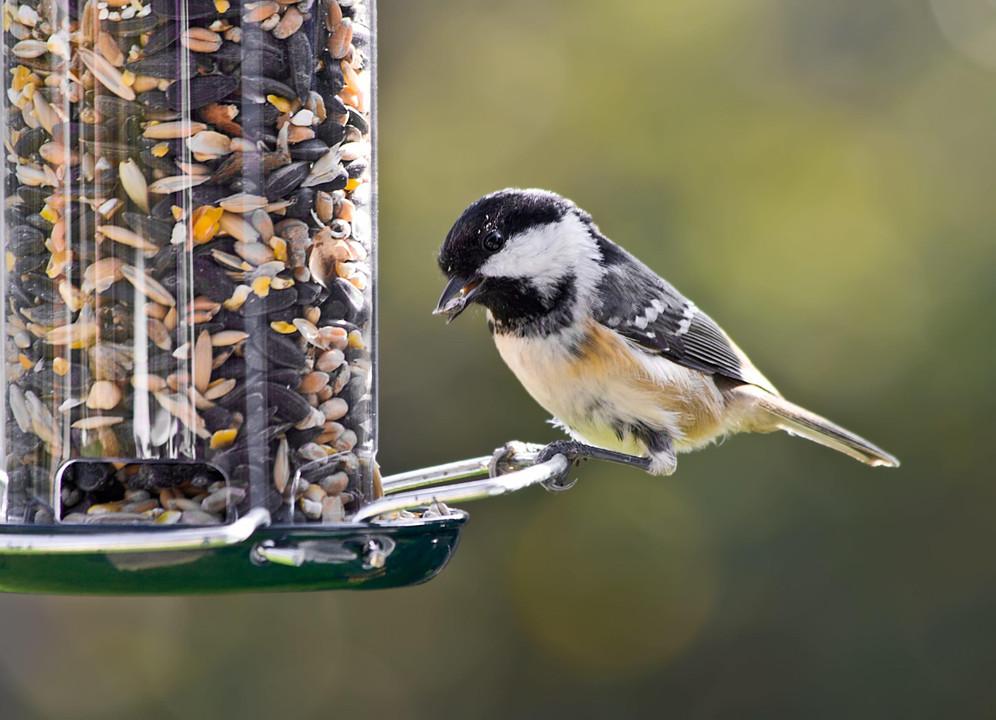
How Often Do You Feed Birds
A key question is how often do you feed birds to strike the right balance. While most gardens benefit from once-daily feeding, seasonal adjustments are important.
| Season | Recommended Frequency | Recommended Foods |
|---|---|---|
| Spring and Breeding | Once or twice daily | High-protein foods such as mealworms, suet, and seeds |
| Summer | Once daily or every other day | Insects, fruit, and moderate seed offerings |
| Autumn | Once or twice daily | Energy-rich seed mixes to prepare for winter |
| Winter | Twice daily | Fat balls, suet, peanuts, and mixed seed |
- In spring, young chicks benefit from protein-rich foods like mealworms.
- Summer offers abundant natural foods, so feeding can be reduced slightly.
- Autumn feeding helps birds build reserves for colder weather.
- Winter feeding twice daily supports survival by providing energy for cold nights.
The Best Food for Birds
Choosing the right food for birds is crucial to their health. Recommended options include:
- Mixed bird seed – a balanced diet for most species
- Sunflower seeds – high in energy and preferred by finches
- Nyjer seed – ideal for goldfinches and siskins
- Peanuts – only unsalted, prepared peanuts for safe feeding
- Suet and fat balls – excellent for energy, especially in winter
- Mealworms – protein-rich and attractive to robins and blue tits
Avoid bread, salted foods, or mouldy items. Variety is key, so offer different types of seed across feeders to replicate the wild bird diet.
Expert tip: Fat balls and suet blocks are particularly effective for attracting insect-eating species. Explore our range of suet and fat balls for healthy options.
Tips for Responsible Wild Bird Feeding
Safe wild bird feeding is as important as the food itself. To protect garden birds:
- Clean feeders weekly to prevent disease
- Top up food little and often, instead of overfilling
- Position feeders in safe, dry locations away from predators
- Provide fresh water daily for drinking and bathing
- Rotate food types to mirror the natural wild bird diet
- Phase out food gradually if stopping for holidays or other reasons
Using multiple feeders or food stations reduces competition and encourages more species to feed safely.
What Happens If You Stop Feeding Birds Suddenly
Birds quickly rely on a consistent food source. A sudden stop can leave them vulnerable, especially in winter. To prevent disruption:
- Reduce quantities gradually over a week
- Consider slow-release feeders or seed blocks
- Ask a neighbour to refill feeders if you are away
This approach ensures birds maintain healthy foraging habits while still benefiting from garden feeding.
Common Mistakes in Feeding Birds
Even experienced feeders sometimes make mistakes. Common pitfalls include:
- Using bread or inappropriate human foods
- Leaving uneaten food to spoil
- Failing to clean feeders regularly
- Feeding at inconsistent times
- Stopping feeding abruptly
Avoiding these mistakes ensures wild bird feeding remains a positive, supportive activity.
Final Thoughts
Providing the right food for birds is one of the simplest and most rewarding ways to support garden wildlife. By understanding the wild bird diet, knowing how often to feed birds, and following safe wild bird feeding practices, you can make a meaningful difference to local bird populations.
For those looking to provide healthy, high-quality food for birds in your garden, Kennedy Wild Bird Food offers a wide range of carefully selected products. Explore our full range of bird food and feeders, find options suited to every season and species.
At Kennedy Wild Bird Food, we believe that understanding how to care for garden birds is as important as providing the best food for birds. A common question we hear is: Can you feed birds every day? And if so, how often do you feed birds to keep them healthy and supported throughout the year?