


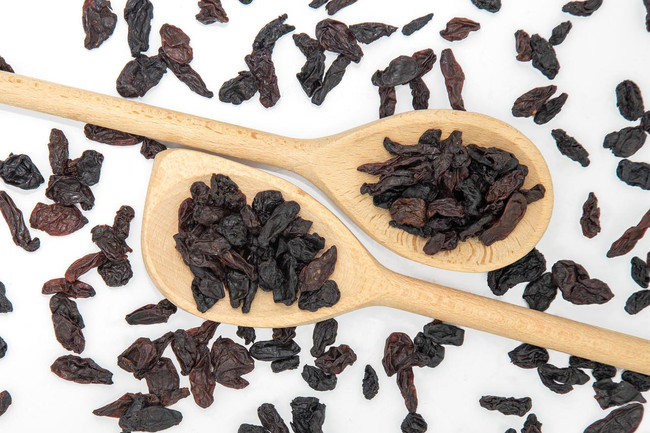


Raisins for Birds
By Kennedy Wild
£9.00
£11.00
(18% OFF)
Price per Kg:
- SKU:
- KWSS-BF-RAS-03
- UPC:
- 5065017392659
- Weight:
- 3.00 KGS
- Shipping:
- Calculated at Checkout
Make It A Bundle

Organic Raisins Bird Food: All-Natural & Tasty Snack Option
Raisins are a delightful treat enjoyed by many, yet have you considered their potential as a nutritional boon for birds?
Indeed, these sun-dried grapes offer a rich source of energy and nutrients for an array of avian species, becoming an increasingly popular choice amongst bird enthusiasts.
Nutritional Benefits of Raisins
Raisins are an exceptional source of natural sugars, primarily fructose and glucose, which impart a quick energy boost to birds during their active hours. These compact morsels deliver essential vitamins, including vitamin C and B-complex vitamins, which play a pivotal role in maintaining avian health. The presence of antioxidants in raisins can also aid in defending birds against cellular damage, contributing to their overall well-being.
In addition to their energising properties, raisins feature a spectrum of minerals such as calcium, iron, and potassium, necessary for strong bone development, robust blood health, and optimal muscle function. The fibrous content of raisins is advantageous for digestive regularity, while phenolic compounds present have been linked to anti-inflammatory benefits. Encouragingly, these nutritive characteristics align with the dietary needs of many bird species, affording them a delectable yet healthful supplement to their usual fare.
Energy-Boosting Natural Sugars
Raisins are replete with naturally occurring sugars that furnish an immediate surge of vitality to birds.
their natural habitat, birds often seek sweet fruits for quick energy, similarto raisins' swift supply of glucose.
These sugars are vital for meeting the high metabolic demands of birds, supporting activities from flight to foraging, breeding to molting.
The rapid assimilation of these sugars by avian species ensures they are an excellent source of on-demand energy, crucial to bird sustenance and survival.
Essential Vitamins and Minerals
Raisins offer a cornucopia of vitamins and minerals pivotal for avian health.
- Vitamin C – Aids in immune system function and overall well-being.
- Iron – Essential for haemoglobin formation and oxygen transport in blood.
- Potassium – Regulates fluid balance and supports heart and muscle activity.
- Calcium – Vital for strong bones, eggshell formation, and muscle control.
These nutrients contribute substantially to the maintenance and repair of avian body tissues.
Particularly, the calcium content in raisins is crucial for female birds during the breeding season.
Fiber for Digestive Health
Raisins are naturally endowed with dietary fiber, which is essential for maintaining robust digestive health in birds.
Fiber acts as a prebiotic, fostering a healthy gut microbiota that aids in digestion and absorption of nutrients. When birds consume raisins, they benefit from improved gut function and regularity, reducing the risk of digestive disorders. This nutrient supports a strong gastrointestinal tract, fundamental for avian vitality and wellbeing.
Moreover, fiber's role in satiety helps regulate birds' appetite. By contributing bulk, it prolongs the digestive process, resulting in a sustained release of energy. This balance prevents overeating and ensures a steady energy supply throughout their active days.
Additionally, the consumption of fiber-rich foods like raisins can aid in the prevention of avian obesity – a condition that significantly hampers a bird's mobility and overall health. Fiber's ability to mitigate rapid glucose absorption lowers the chance of weight gain, promoting a leaner physique and enhanced flight capability.
Safe Feeding Practices
While raisins can be a delightful inclusion in a bird’s diet, they must be offered in moderation. Excessive consumption of these dried fruits can lead to health complications due to their high sugar content. Accordingly, it is imperative to balance their intake with other nutritious options, thereby preventing any potential dietary imbalances.
Should you choose to provide raisins to backyard visitors, ensure they are unsulphured and devoid of any added sweeteners or preservatives. Such additives can be harmful to avian health, and thus, natural, organic raisins are the safest choice for your feathered friends.
Portion Control and Moderation
Raisins, while nutritious, should be dispensed to birds with careful consideration to avoid overconsumption, which can lead to health issues. A scant handful is typically sufficient for a small flock.
Regularly evaluate the quantity of raisins consumed to maintain a balanced diet. Avoid daily offerings to prevent dependency.
When incorporating raisins into a bird’s dietary regimen, it's crucial to offer them sparingly, as part of a diverse menu that includes seeds, insects, and fruits to ensure a well-rounded intake of essential nutrients.
To ensure the wellbeing of the birds, adherence to recommended portion sizes is vital, akin to a garnish rather than a staple of their diet. Overindulgence can lead to an array of health issues, as it might detract from the consumption of other vital dietary components. As such, view raisins as an occasional treat or supplement to their primary food sources, rather than a mainstay.
Precautionary Measures
When feeding raisins to birds, it is essential to proceed with caution to avoid adverse effects.
- Hydration: Ensure that fresh water is available, as raisins can cause dehydration if consumed in large amounts without sufficient water.
- Preparation: Check the quality of the raisins, avoiding those with additives or preservatives which can be harmful.
- Size Appropriateness: Chop or soak raisins to make them easier for smaller birds to eat and digest.
- Observe: Monitor the birds' reactions to raisins and remove them if the birds appear to have any negative responses.
Raisins must be free from potential contaminants such as chocolate, which is toxic to birds. Lastly, keep the feeding area clean by removing any uneaten raisins to prevent mold growth and discourage vermin.
Raisins for Diverse Species
Raisins, in their natural state, serve as a suitable supplemental food for a variety of bird species. These dried fruits are favoured by thrushes, starlings, and blackbirds, who often consume them with gusto. Nevertheless, caution is advised in the provision of raisins to frugivorous species, as their diets necessitate a fine balance with other nutritional elements. Omnivorous birds, like robins and tits, may also partake of this chewy delicacy, integrating it into their diverse dietary regimen. It is crucial that one administers this treat in moderation, always cognizant of the birds' comprehensive nutritional requirements.
Ideal Candidates for Raisin Treats
Garden birds such as song thrushes, robins, and blackbirds relish sun-dried raisins, finding them a particularly delectable morsel.
Woodpigeons and starlings also readily accept these nutritious snacks.
Our feathered friends from the thrush family, including the mistle thrush and fieldfare, are particularly fond of raisins, especially during the barren winter months when natural food sources are scarce.
Offering raisins is an excellent way to provide an energy boost to these birds, as the natural sugars present in the dried fruit can be a critical sustenance during the harsh winter season. They are also a vital supplement during spring when birds expend immense energy during breeding and rearing of their young. It's paramount to note, whilst raisins are welcomed by these species, they should be given in moderation and considerately integrated into their diet to avoid any imbalance.
Birds and Animals to Avoid
Certain avian species and animals should not be given raisins as they can cause adverse health effects.
For instance, domestic pets, particularly dogs, can experience acute renal failure from ingesting raisins, necessitating vigilant avoidance of offering such foods to them irrespective of the quantity.
Furthermore, cynologists assert that it's not solely the quantity ingested but rather the idiosyncratic reaction of each individual canine that dictates the toxic threshold, thus underscoring the imperative to abstain.
Birds of prey, such as owls and falcons, are obligate carnivores whose physiological dietary requirements do not align with the consumption of raisins or other fruit-based offerings.
Notwithstanding, while some omnivorous birds enjoy fruit, it's essential to ascertain that raisins are suitable for each bird species through meticulous research or consultation with an ornithologist.
Incorporating Raisins into Diets
When introducing raisins to avian diets, it is paramount to do so gradually and sparingly. Overindulgence in these sugary treats can disrupt a bird's accustomed nutritional regimen, thus careful moderation is necessary.
As a natural, unprocessed food item, raisins offer a bounty of vitamins, minerals, and antioxidants. When moistened, they become especially appealing to birds and can serve as an enticing incentive for foraging behavior, akin to that seen in their natural habitat.
Raisins should, however, be considered a supplemental delicacy rather than a staple food. Their role is to provide variety and enhanced nutrition within the broader context of a balanced avian diet.
Mixing with Other Foods
Raisins can be a delightful enhancement when paired with other dietary components.
- Seed Mixes: Integrate raisins into seed mixtures to provide a varied texture and nutritional profile.
- Nut Blends: Combine with assorted nuts for a balanced offering of fats and proteins.
- Suet Pellets: Toss them with suet pellets to give an energy-rich treat, especially valued during colder months.
- Mealworms: Offer alongside mealworms to entice insectivorous birds with a contrast of flavours.
- Bird-safe grains: Mix with cooked rice or quinoa to create a comprehensive meal.
Ensure that all additives are safe and suitable for avian consumption. Careful portion control is imperative; raisins should merely complement, not dominate, the mixture.
Training and Bonding through Treats
Raisins, when judiciously deployed, can aid significantly in the training of birds. They are both a reward and a motivator, encouraging positive behaviours.
Incentivising with these succulent morsels can establish strong foundations for commands and tricks. Raisins as rewards help solidify learned actions, ingraining them through repetition and positive reinforcement.
Furthermore, raisins serve as an enticing bribe to foster trust in human-bird interactions. As birds come to associate their caretakers with this special treat, the bonds of companionship are strengthened.
Pairing treats with training sessions not only hastens skill acquisition but also deepens the bird's emotional connection to their handler. Raisins epitomize this symbiotic training tool.
Shared feeding experiences, underscored by the provision of raisins, nurture a sense of security and mutual respect between birds and their keepers.
STORAGE
Store in a cool & dry place, away from direct sunlight
CONSUMPTION GUIDELINE
This product is not suitable for human consumption.
Price & Delivery
Price includes VAT where applicable. UK wide Next Day Delivery, Free for orders over eligible value. Please see our Shipping costs page for more details on shipping zones & minimum order value for Free delivery.
Image displayed is for illustrative purpose only.-
Garden full of blackbirds and Thrushes
How to offer raisins to birds?
How to offer raisins to birds?
Have you ever wondered how to offer raisins to birds? In 2016, researchers at the British Ornithologists' Union conducted a study to determine the best method for providing raisins to our feathered friends.
Firstly, it's important to cut the raisins into small pieces. This ensures that the birds can easily eat them without any difficulty. We recommend using a sharp knife or scissors to achieve the desired size.
Next, it's crucial to select a suitable feeding location. Birds are more likely to ingest raisins if they are placed in an area that is familiar to them, such as a bird feeder or a dish on the ground. Be sure to clean and sanitize the feeding area regularly to prevent the spread of disease.
To attract a variety of bird species, you can mix raisins with other bird-friendly foods like seeds or suet. This creates a well-balanced diet for the birds and increases the chances of them visiting your feeding station.
Lastly, be patient and observant. It may take some time for the birds to discover the raisins, especially if they are not accustomed to them. With a bit of persistence, you'll soon be able to enjoy the sight of birds happily feasting on raisins in your garden.
Remember, providing raisins to birds can be a wonderful way to support their nutritional needs and observe their behavior up close. Enjoy the experience and continue to learn more about the fascinating world of our avian friends.
When is the best time to provide raisins?
When is the best time to provide raisins?
Raisins can be a nutritious treat for birds, but it's important to know the best time to provide them. During the breeding season, which typically occurs between spring and summer, birds require a high protein diet to support their young. Providing raisins during this time can be a beneficial supplement, as they are a good source of energy and natural sugars.
In the autumn and winter months, when natural food sources may be scarce, birds can benefit from the additional nutrients found in raisins. It is during these colder months that birds need to maintain their energy levels to stay warm and survive. Offering raisins as part of a varied diet can help provide the necessary fuel for their metabolism.
However, it's important to remember that raisins should always be offered in moderation. While they provide certain nutritional benefits, providing too many can lead to an imbalance in the birds' diet. It's best to offer raisins as a treat alongside other suitable bird foods, such as seeds, nuts, or mealworms.
When providing raisins, it's important to ensure they are fresh and not moldy. Moldy raisins can be harmful to birds and may cause digestive issues. Always check the raisins before offering them and discard any that show signs of mold or spoilage.
In conclusion, the best time to provide raisins to birds is during the breeding season and the colder months when natural food sources may be limited. Remember to offer them in moderation as part of a varied diet, and always ensure they are fresh and mold-free. By following these guidelines, you can provide a nutritious and enjoyable treat for our feathered friends.
How long to soak sultanas for birds?
How long to soak sultanas for birds?
Soaking sultanas for birds is a beneficial practice, but it is important to determine the appropriate duration for soaking.
To make sultanas more easily digestible and enjoyable for birds, it is recommended to soak them for approximately 30 minutes. This allows the sultanas to absorb water and become softer, making them easier for birds to eat and digest. Soaking for too long, however, can lead to the sultanas becoming too soft or even fermenting, which may be harmful to birds.
When soaking sultanas for birds, it is essential to consider their individual preferences and dietary needs. Some birds may prefer slightly harder sultanas, while others may appreciate them being softer. Monitoring the birds' response to the soaked sultanas can help determine the optimal soaking duration for future feedings.
In conclusion, soaking sultanas for approximately 30 minutes strikes a balance between making them easier for birds to consume while avoiding potential digestion issues. It is essential to observe the birds' preferences and adjust the soaking duration accordingly to ensure their enjoyment and well-being.
Which birds enjoy raisins?
Which birds enjoy raisins?
Different bird species have varying preferences when it comes to food, and raisins are no exception. While not all birds enjoy eating raisins, there are some species that are particularly fond of this sweet treat.
One such bird that enjoys raisins is the blackbird. These birds are known for their omnivorous diet and are often seen scavenging for food in gardens and parks. Blackbirds will gladly snatch up and devour any raisins left out for them.
Another bird species that has a taste for raisins is the song thrush. These small birds are known for their melodious songs and their preference for berries and fruits. Raisins provide a tasty and nutritious snack for them, and they will eagerly eat them up when made available.
In addition to blackbirds and song thrushes, other bird species that can be attracted to raisins include starlings, robins, and dunnocks. These birds have a varied diet and are not picky eaters, making raisins a welcome addition to their menu.
If you're looking to attract these birds to your garden, try offering a mix of raisins and other bird-friendly foods. Place them in a suitable feeder or scatter them on the ground. Providing fresh water nearby will also help to entice these feathered friends.
Remember, while some birds enjoy raisins, it's essential to avoid offering them in excessive quantities. A balanced and varied diet is crucial for the overall health and well-being of birds. So, go ahead and offer some raisins as a delightful treat, but remember to supplement it with other nutritious foods to ensure the birds' optimal nourishment.
Related Products

Kennedy Wild
Live Mealworms Bird Food
Premium Bird Food: Live Mealworms for Avian Delight Elevate your bird feeding experience with our top-quality Live Mealworms for birds, a sought-after avian delight that has earned its reputation as...
£19.50 - £54.75
Jacobi Jayne
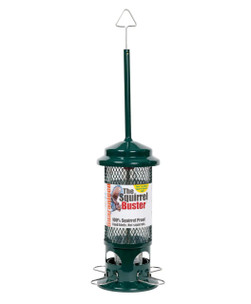
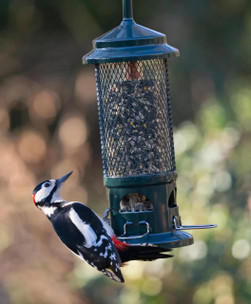
The Squirrel Buster Bird Feeder
100% guaranteed squirrel proof bird feeder! Specially designed for offering seeds and blends, this brilliant feeder shows squirrels that you're the boss. Birds can feed freely, but squirrels are...
£38.50

Gardman
Gardman Aluminium Bird Feed Scoop
Wild bird aluminium scoop great for filling feeders. Durable, sturdy aluminium construction. Perfectly compliments the wild bird feed storage bin available seperartely. Approx length: 26cm
£6.75
On Sale!


Kennedy Wild
Kennedy Wild Classic Premium Peanuts For Birds
Premium Peanuts 40/50 Size – High Energy Wild Bird & Wildlife Food Our Premium Bird Peanuts (40/50 size) are carefully selected, large whole peanuts of the highest quality,...
£9.75 - £54.00
On Sale!


Suet To Go
Premium Mixed Suet Pellets for Birds - Suet To Go
Suet Pellets for Birds – Mixed Flavours Suet To Go Mixed Flavour Suet Pellets offer a clean, no-mess and no-grow way to provide garden birds with a high-energy treat all year round. This...
£10.50 - £59.50