


Kennedy Wild Sultanas & Raisins for Birds
By Kennedy Wild
£13.25
Price per Kg:
- SKU:
- KWSS-BF-RAS-03
- UPC:
- 5065017392659
- Weight:
- 3.00 KGS
- Shipping:
- Calculated at Checkout
Make It A Bundle

Kennedy Wild Sultanas & Raisins
Kennedy Wild Premium Sultanas & Raisins are a natural, energy-rich treat perfect for wild birds and small animals. Packed with natural sugars, fibre, and essential nutrients, these soft, juicy sultana & raisins are highly attractive to many garden species, especially softbill birds that prefer easy-to-eat foods.
Ideal for year-round feeding, raisins provide a quick and accessible source of energy, helping wildlife stay active and healthy.
Why Choose Sultanas and Raisins?
- High Energy Treat – Natural sugars provide quick and effective energy.
- Soft & Easy to Eat – Perfect for softbill birds and small animals.
- Highly Palatable – Loved by a wide range of wildlife.
- Versatile Feeding – Suitable for birds and small mammals.
- All-Year Feeding – Especially beneficial in colder months and breeding season.
Nutritional Benefits
- Natural Sugars – Provide quick-release energy.
- Fibre – Supports healthy digestion.
- Natural Nutrients – Help maintain overall vitality and wellbeing.
Wildlife Attracted
- Blackbirds
- Robins
- Song Thrushes
- Dunnocks
- Other small garden animals
Feeding Guide
- Serve on bird tables or ground feeding areas.
- Can be soaked in water to soften further for smaller birds.
- Feed in moderation as part of a balanced diet.
- Always provide fresh drinking water.
Important: Do not leave uneaten raisins to spoil. Remove any old or mouldy food promptly.
Storage Advice
- Store in a cool, dry place.
- Keep sealed to maintain freshness and prevent pests.
A Natural Treat for Garden Wildlife
Kennedy Wild Sultanas & Raisins are a simple and effective way to support wild birds and small animals. With their natural sweetness and soft texture, they are an irresistible addition to any feeding routine, helping you attract more wildlife to your garden.
-
Garden full of blackbirds and Thrushes
How to offer raisins to birds?
How to offer raisins to birds?
Have you ever wondered how to offer raisins to birds? In 2016, researchers at the British Ornithologists' Union conducted a study to determine the best method for providing raisins to our feathered friends.
Firstly, it's important to cut the raisins into small pieces. This ensures that the birds can easily eat them without any difficulty. We recommend using a sharp knife or scissors to achieve the desired size.
Next, it's crucial to select a suitable feeding location. Birds are more likely to ingest raisins if they are placed in an area that is familiar to them, such as a bird feeder or a dish on the ground. Be sure to clean and sanitize the feeding area regularly to prevent the spread of disease.
To attract a variety of bird species, you can mix raisins with other bird-friendly foods like seeds or suet. This creates a well-balanced diet for the birds and increases the chances of them visiting your feeding station.
Lastly, be patient and observant. It may take some time for the birds to discover the raisins, especially if they are not accustomed to them. With a bit of persistence, you'll soon be able to enjoy the sight of birds happily feasting on raisins in your garden.
Remember, providing raisins to birds can be a wonderful way to support their nutritional needs and observe their behavior up close. Enjoy the experience and continue to learn more about the fascinating world of our avian friends.
When is the best time to provide raisins?
When is the best time to provide raisins?
Raisins can be a nutritious treat for birds, but it's important to know the best time to provide them. During the breeding season, which typically occurs between spring and summer, birds require a high protein diet to support their young. Providing raisins during this time can be a beneficial supplement, as they are a good source of energy and natural sugars.
In the autumn and winter months, when natural food sources may be scarce, birds can benefit from the additional nutrients found in raisins. It is during these colder months that birds need to maintain their energy levels to stay warm and survive. Offering raisins as part of a varied diet can help provide the necessary fuel for their metabolism.
However, it's important to remember that raisins should always be offered in moderation. While they provide certain nutritional benefits, providing too many can lead to an imbalance in the birds' diet. It's best to offer raisins as a treat alongside other suitable bird foods, such as seeds, nuts, or mealworms.
When providing raisins, it's important to ensure they are fresh and not moldy. Moldy raisins can be harmful to birds and may cause digestive issues. Always check the raisins before offering them and discard any that show signs of mold or spoilage.
In conclusion, the best time to provide raisins to birds is during the breeding season and the colder months when natural food sources may be limited. Remember to offer them in moderation as part of a varied diet, and always ensure they are fresh and mold-free. By following these guidelines, you can provide a nutritious and enjoyable treat for our feathered friends.
How long to soak sultanas for birds?
How long to soak sultanas for birds?
Soaking sultanas for birds is a beneficial practice, but it is important to determine the appropriate duration for soaking.
To make sultanas more easily digestible and enjoyable for birds, it is recommended to soak them for approximately 30 minutes. This allows the sultanas to absorb water and become softer, making them easier for birds to eat and digest. Soaking for too long, however, can lead to the sultanas becoming too soft or even fermenting, which may be harmful to birds.
When soaking sultanas for birds, it is essential to consider their individual preferences and dietary needs. Some birds may prefer slightly harder sultanas, while others may appreciate them being softer. Monitoring the birds' response to the soaked sultanas can help determine the optimal soaking duration for future feedings.
In conclusion, soaking sultanas for approximately 30 minutes strikes a balance between making them easier for birds to consume while avoiding potential digestion issues. It is essential to observe the birds' preferences and adjust the soaking duration accordingly to ensure their enjoyment and well-being.
Which birds enjoy raisins?
Which birds enjoy raisins?
Different bird species have varying preferences when it comes to food, and raisins are no exception. While not all birds enjoy eating raisins, there are some species that are particularly fond of this sweet treat.
One such bird that enjoys raisins is the blackbird. These birds are known for their omnivorous diet and are often seen scavenging for food in gardens and parks. Blackbirds will gladly snatch up and devour any raisins left out for them.
Another bird species that has a taste for raisins is the song thrush. These small birds are known for their melodious songs and their preference for berries and fruits. Raisins provide a tasty and nutritious snack for them, and they will eagerly eat them up when made available.
In addition to blackbirds and song thrushes, other bird species that can be attracted to raisins include starlings, robins, and dunnocks. These birds have a varied diet and are not picky eaters, making raisins a welcome addition to their menu.
If you're looking to attract these birds to your garden, try offering a mix of raisins and other bird-friendly foods. Place them in a suitable feeder or scatter them on the ground. Providing fresh water nearby will also help to entice these feathered friends.
Remember, while some birds enjoy raisins, it's essential to avoid offering them in excessive quantities. A balanced and varied diet is crucial for the overall health and well-being of birds. So, go ahead and offer some raisins as a delightful treat, but remember to supplement it with other nutritious foods to ensure the birds' optimal nourishment.
Related Products


Kennedy Wild
Kennedy Wild Premium Economy Bird Seed
Kennedy’s Premium Economy Wild Bird Seed | High Sunflower Bird Food Mix Kennedy’s Premium Economy Wild Bird Seed
£8.50 - £37.00


Kennedy Wild
Kennedy Wild Split Blanched Peanuts For Birds
Premium Large Split Blanched Peanuts for Wild Birds, Squirrels & Garden Wildlife Our premium large split blanched peanuts are a high-quality natural food source for wild birds, squirrels, and other...
£10.75 - £55.00

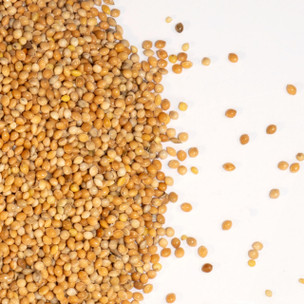
Kennedy Wild
Kennedy Wild White Millet Bird Seed
Kennedy Wild White Millet | Premium Bird Food for Wild & Cage Birds Kennedy Wild White Millet Kennedy
£9.75 - £27.75
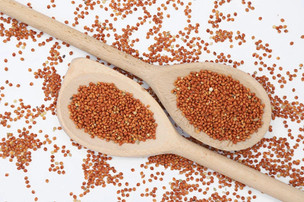

Kennedy Wild
Kennedy Wild Red Millet Bird Seed
Kennedy Wild Red Millet | Premium Bird Seed for Wild & Cage Birds Kennedy Wild Red Millet Kennedy Wild Red Mi
£10.75 - £33.25


Kennedy Wild
Kennedy Wild Executive Mix Bird Food
Kennedy Wild Executive Mix Bird Food | Premium No-Filler Sunflower Heart Blend Kennedy Wild Executive Mix Bird Food
£9.50 - £51.75