











Top 11 Yellow Birds in Britain and the UK to Attract in Your Garden

Yellow birds bring a splash of colour and cheer to any garden. Observing these birds can be both relaxing and educational, and with the right approach, you can encourage them to visit regularly. From small finches to striking warblers, this guide explores the top yellow birds UK gardeners love, with practical advice on spotting and attracting them.
Whether you are a seasoned birdwatcher or a beginner, these tips will help you enjoy the beauty of British yellow birds throughout the year.
Why Yellow Birds Are a Delight in Your Garden
Yellow UK birds are some of the most visually striking visitors to gardens. Their vibrant plumage stands out against greenery, making them a favourite among birdwatchers. Many species are active feeders and can be observed up close if your garden provides the right habitat.
These birds are not only attractive but also play a role in garden ecosystems. They help control pests and pollinate plants, and their presence indicates a healthy environment. From tiny goldfinches to agile yellowhammers, attracting yellow birds UK can bring both beauty and life to your garden.
Expert tip: Adding a mix of flowers and shrubs can provide natural shelter and increase your chances of spotting a wider variety of yellow UK birds.
How to Attract Small Yellow Birds To Your UK Garden
Attracting small yellow birds requires providing food, water, and shelter. Here are some practical ways to make your garden more welcoming:
- Feeders and seeds: Use a mix of sunflower hearts, nyjer seeds, and general bird seed blends. Finches and tits particularly enjoy nyjer and sunflower seeds.
- Water sources: A clean birdbath or shallow water dish is essential. Moving water, such as a small fountain, can attract even more birds.
- Native plants: Bushes, hedges, and flowering plants provide shelter and nesting sites. Examples include hawthorn, holly, and buddleia.
- Quiet areas: Place feeders and water sources away from high-traffic garden areas. This encourages shy species to visit.
- Nest boxes: Installing small nest boxes suitable for tits or finches can encourage breeding visitors.
Even a small urban garden can become a haven for yellow garden bird UK species with these simple steps.
Expert tip: For a balanced diet that attracts a variety of garden birds, try our specially blended bird seed mixes. They provide essential nutrients and cater to both small yellow birds and larger visitors.
Top 11 Yellow British Birds
Here are the 11 yellow birds to watch for in your garden, with details on appearance, habits, and how to attract them:
1. Goldfinch
Goldfinches are instantly recognisable with bright yellow wing patches and a red face. They often feed on thistle seeds and sunflower hearts. Goldfinches are social birds and may visit in small flocks, particularly in late summer when seeds are abundant. Planting wildflowers can help attract them naturally.
Expert tip: Provide hanging feeders with sunflower hearts to encourage goldfinches to visit your garden regularly.
2. Firecrest
The firecrest is a small, elusive bird with striking yellow and green markings. They are more often heard than seen, but gardens with dense shrubs can attract them. Firecrests feed mainly on insects, so keeping parts of your garden wild can help.
Expert tip: Plant dense evergreens like yew or holly to create insect-rich habitats that firecrests love.
3. Yellowhammer
The yellowhammer has a bright yellow head and chest and is often heard before it is seen due to its distinctive song. They prefer farmland edges and hedgerows but will visit gardens close to open spaces. Scatter seeds on the ground to attract them, as they prefer feeding low.
Expert tip: Keep a mix of seeds on a flat feeding tray or ground feeder to entice yellowhammers and other ground-feeding yellow UK birds.
4. Blue Tit
Although mainly blue and white, blue tits have yellow underparts that add a splash of colour. Energetic and inquisitive, they are regular visitors to feeders and readily take peanuts, sunflower seeds, and fat balls. They will even investigate new feeding spots quickly.
Expert tip: Rotate feeding stations to give blue tits and other small yellow birds UK new areas to explore and feel safe.
5. Great Tit
Great tits have yellow underparts and a striking black stripe along their chest. They are adaptable and thrive in gardens, visiting feeders for seeds, peanuts, and suet. Their bold behaviour makes them easy to observe, and they are known to investigate nest boxes eagerly.
Expert tip: Adding a suet feeder can attract great tits and other energy-hungry yellow British birds, especially in winter.
6. Yellow Wagtail
Yellow wagtails are slender, energetic birds often seen hunting insects over lawns or ponds. They prefer open areas and wetlands but may visit larger gardens with ponds.
Expert tip: A small pond or water feature can attract yellow wagtails and other insect-eating yellow birds UK.
7. Chiffchaff
Chiffchaffs are small greenish-yellow warblers that feed on insects. They are often heard singing "chiff-chaff" during spring. Dense shrubs or small trees in your garden can encourage them to stay.
Expert tip: Plant a variety of flowering shrubs to attract insects and support chiffchaffs and other insect-eating yellow UK birds.
8. Cirl Bunting
Cirl buntings are striking yellow and brown birds often found in southern UK gardens. They enjoy seeds, particularly from feeders and plants such as sunflowers.
Expert tip: You can scatter seeds on the ground in quiet areas to attract cirl buntings and other ground-feeding yellow garden birds.
9. Gold Oriole
The gold oriole is a rare but stunning visitor with bright yellow plumage. They prefer tall trees and large gardens with dense canopies. Offering fruit trees can increase the chance of spotting this species.
Expert tip: Plant fruiting trees and provide tall perches to attract gold orioles and other rare yellow British birds.
10. Siskin
A small yellow bird UK, the siskin has greenish-yellow plumage with black streaks. They favour conifers and feeders with nyjer or sunflower seeds. Siskins are agile and fun to watch.
Expert tip: Using mesh feeders with nyjer seeds can attract siskins and other finches to your garden.
Wood Warbler
Wood warblers are elegant, pale yellow birds that prefer woodland edges. They feed on insects and may visit gardens with dense shrubs or wild areas.
Expert tip: Maintain wildflower patches and leave some natural leaf litter to attract wood warblers and other woodland yellow UK birds.
Tips for Feeding Yellow Birds
Feeding is key to attracting yellow birds and keeping them coming back. Here are some helpful tips:
-
Offer a variety of seeds: sunflower, nyjer, and mixed seed blends cater to different species.
-
Clean feeders regularly to prevent disease.
-
Place feeders at different heights to suit various birds, from ground-feeding yellowhammers to tree-loving siskins.
Supplement with suet and peanuts, especially in winter, to provide energy.
Rotate seeds seasonally to attract different yellow UK birds throughout the year.
Expert tip: For a balanced diet that attracts a variety of garden birds, try our specially blended bird seed mixes. They provide essential nutrients and cater to both small yellow bird species and larger visitors.
Seasonal Sightings of Yellow Birds In The UK
Different yellow British birds are more likely to appear at certain times of the year:
-
Spring: Many birds arrive to breed. This is the best time to spot goldfinches, siskins, and wagtails.
-
Summer: Young birds begin to fledge. Blue tits and great tits are frequently seen feeding fledglings.
-
Autumn: Migration can bring unusual yellow visitors. Seed-eating species like siskins and goldfinches form large flocks.
-
Winter: Gardens become crucial feeding areas. Scatter seeds and provide water to support the small yellow bird UK species during the cold months.
Expert tip: Keeping a seasonal feeding diary can help you track which yellow birds UK are visiting and adjust your garden setup accordingly.
Fun Facts About UK Yellow Birds
-
Many yellow birds use their bright plumage for communication and attracting mates.
-
Some, like goldfinches, eat seeds directly from plants, reducing the need for feeders.
-
Blue tits and great tits may raid nest boxes, so having multiple boxes can help support different species.
-
Watching small yellow bird species can be educational for children, encouraging interest in nature.
Mix natural foraging opportunities with feeders to provide enrichment for the yellow garden bird, UK species
Bringing Colourful Yellow Birds to Your Garden
Attracting yellow birds is both rewarding and enjoyable. By providing food, water, and shelter, your garden can host a variety of yellow garden birds. Observing their behaviour and seasonal visits adds colour, life, and interest to your outdoor space.
Discover our bird food range to attract yellow birds today and make your garden a vibrant haven for nature.
Expert tip: Regularly rotate seeds and feeding spots to keep your garden attractive to a wide variety of yellow British birds.
If you have any more questions about yellow birds, feel free to get in touch with our team of experts.
Yellow birds bring a splash of colour and cheer to any garden. Observing these birds can be both relaxing and educational, and with the right approach, you can encourage them to visit regularly. From small finches to striking warblers, this guide explores the top yellow birds UK gardeners love, with practical advice on spotting and attracting them.
Explore Popular Articles
-
Should You Feed Birds Every Day? A Complete Guide on Feeding Birds
15th Dec 2025At Kennedy Wild Bird Food, we believe that understanding how to care for garden birds is as importan
-
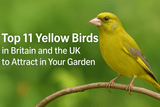
Top 11 Yellow Birds in Britain and the UK to Attract in Your Garden
15th Dec 2025Yellow birds bring a splash of colour and cheer to any garden. Observing these birds can be both rel
-
How Sunflower Seeds Can Improve Your Bird's Health
14th Jun 2024Birds are quite attracted towards sunflower seeds, but have you ever wondered about sunflower seeds'